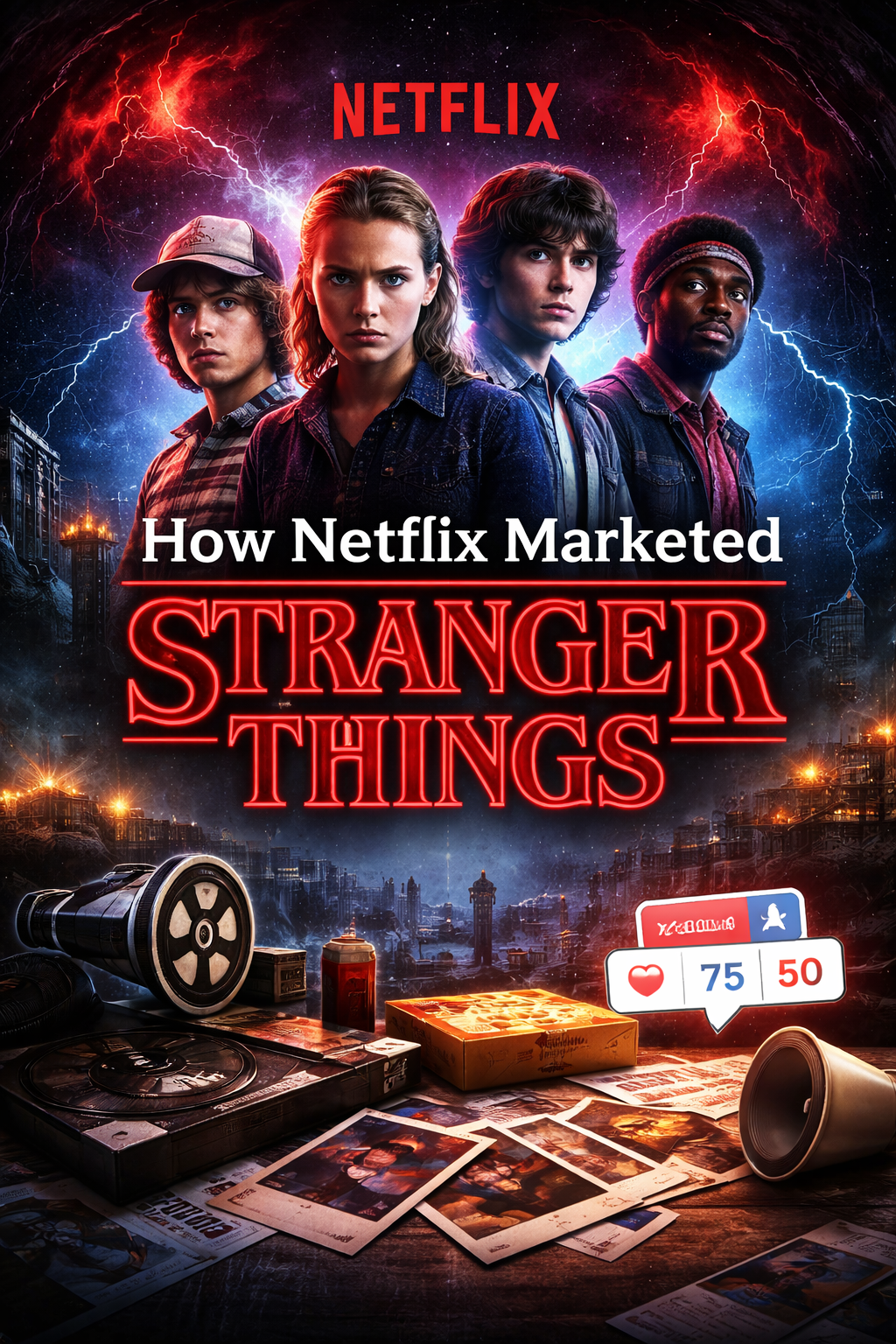
When Stranger Things premiered on Netflix, it quickly became one of the platform’s biggest cultural phenomena. While the storyline and characters attracted viewers, the show’s success was also driven by strong social media marketing strategies, including memes, trailers, and fan engagement campaigns. Netflix used nostalgia, social media engagement, and creative brand partnerships to build excitement around the series and turn it into a global entertainment brand.
One of the most notable elements of the campaign was nostalgia marketing. Because the show is set in the 1980s, Netflix embraced retro aesthetics throughout its promotions, which became a key part of the Stranger Things marketing campaign. Posters, trailers, and digital advertisements featured vintage typography and references to classic films such as E.T. and The Goonies. By tapping into this nostalgic style, the campaign connected with older audiences who remembered the era while also introducing younger viewers to the aesthetic.
Another major component of the strategy was social media engagement. Netflix frequently shared short clips, memes, and behind-the-scenes content across platforms such as Instagram, Twitter, and YouTube. These posts encouraged fans to discuss the show and share theories online. As a result, the audience itself helped promote the series through organic sharing and conversation.
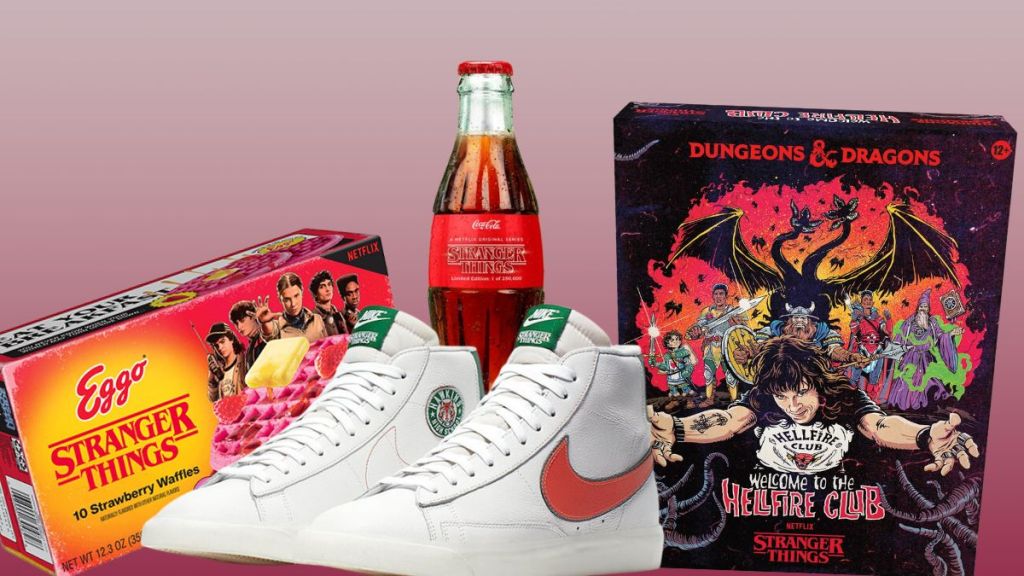
The campaign also included brand collaborations and experiential marketing. Netflix partnered with companies to release themed products and created immersive fan events that allowed audiences to step into the world of the show. Some campaigns included pop-up experiences and interactive digital content designed to engage fans beyond traditional advertising.
Key Marketing Insights
- Nostalgia marketing created emotional connections with audiences.
- Social media content helped fans become part of the campaign.
- Brand collaborations expanded the show’s visibility across different industries.
- Experiential events allowed audiences to interact with the show’s world.
From a marketing perspective, Stranger Things demonstrates how entertainment brands can build strong audience communities. Instead of relying only on traditional advertising, Netflix focused on creating interactive experiences and ongoing online conversation. This strategy allowed the show to remain relevant between seasons and helped transform it into one of Netflix’s most recognizable franchises.
For marketers, the campaign highlights an important lesson: successful entertainment marketing is not just about promoting a show, it is about creating a cultural experience that audiences want to participate in.
You can also read my analysis of the Barbenheimer phenomenon and how studios are using viral internet culture as a promotional strategy to see how modern film marketing strategies are evolving.
What do you think made the marketing campaign for Stranger Things so successful? Share your thoughts in the comments.
References
Digital Marketing Institute. (2019). Stranger Things season 3 has turned branding upside down.
https://digitalmarketinginstitute.com/blog/stranger-things-season-3-has-turned-branding-upside-down
Social Samosa. (2022). Inside the Stranger Things marketing strategy.
https://www.socialsamosa.com/2022/05/inside-stranger-things-marketing-strategy-netflix
Hassan, M. (2023). Netflix’s Stranger Things experiential marketing strategy.
https://www.linkedin.com/pulse/netflixs-stranger-things-experiential-marketing-blending-hassan-wqz9e
 Reel Marketing
Leave a comment