March 19th, 2026
How Barbenheimer Redefined Entertainment Marketing Strategy
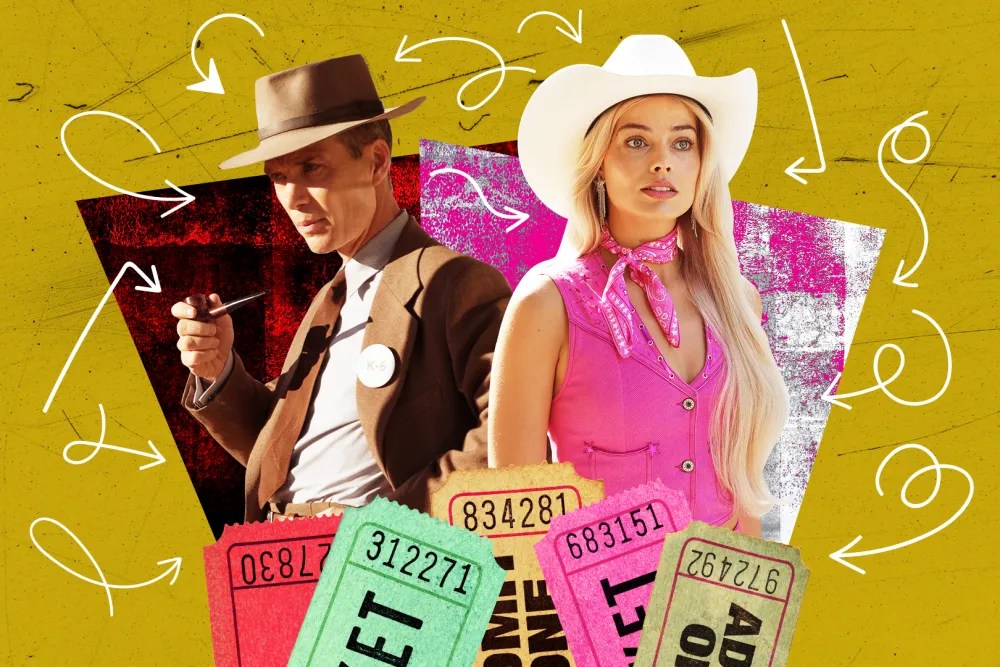
In July 2023, Hollywood experienced a rare and defining moment. Two films, Barbie and Oppenheimer, were released on the same day, setting the stage for what should have been a direct box office battle. Instead, it became one of the most defining case studies in modern entertainment marketing. What appeared to be a direct scheduling conflict quickly evolved into a cultural phenomenon, now known as Barbenheimer. But beyond the memes and viral moments, this event revealed something more important: a shift in how movies are marketed in an increasingly digital, audience-driven landscape.
Traditionally, film marketing has been built around control, carefully timed releases, clearly defined target audiences, and highly structured promotional campaigns. Studios aim to minimize competition and maximize attention. However, Barbenheimer disrupted this model entirely. Instead of avoiding overlap, the simultaneous release created a new kind of marketing synergy. As highlighted in this Variety article, the success of both films ultimately came down to strong positioning and the ability to generate genuine audience excitement.
From a marketing perspective, the most important factor was contrast. Barbie leaned into bold, highly visible brand marketing, collaborations, experiential activations, and a strong visual identity rooted in nostalgia and culture. In contrast, Oppenheimer followed a more traditional prestige strategy, emphasizing storytelling, director reputation, and cinematic scale. Rather than competing, these two distinct approaches created a broader marketing ecosystem, appealing to multiple audience segments while encouraging crossover engagement.
A key moment that highlights the tension behind this strategy, and why its outcome is so significant, comes directly from Margot Robbie herself. In an interview on The Graham Norton Show, Robbie explains how there was real pressure to move Barbie’s release date to avoid competing with Oppenheimer. However, she pushed back, insisting the film hold its ground.
This moment is critical from a marketing standpoint. It shows that Barbenheimer was not a pre-planned collaboration, but rather a strategic decision to maintain positioning. By holding its release date, Barbie preserved its cultural timing, allowing both films to coexist and, ultimately, amplify each other’s visibility. This reinforces an important marketing insight, sometimes maintaining brand confidence is more powerful than avoiding competition.
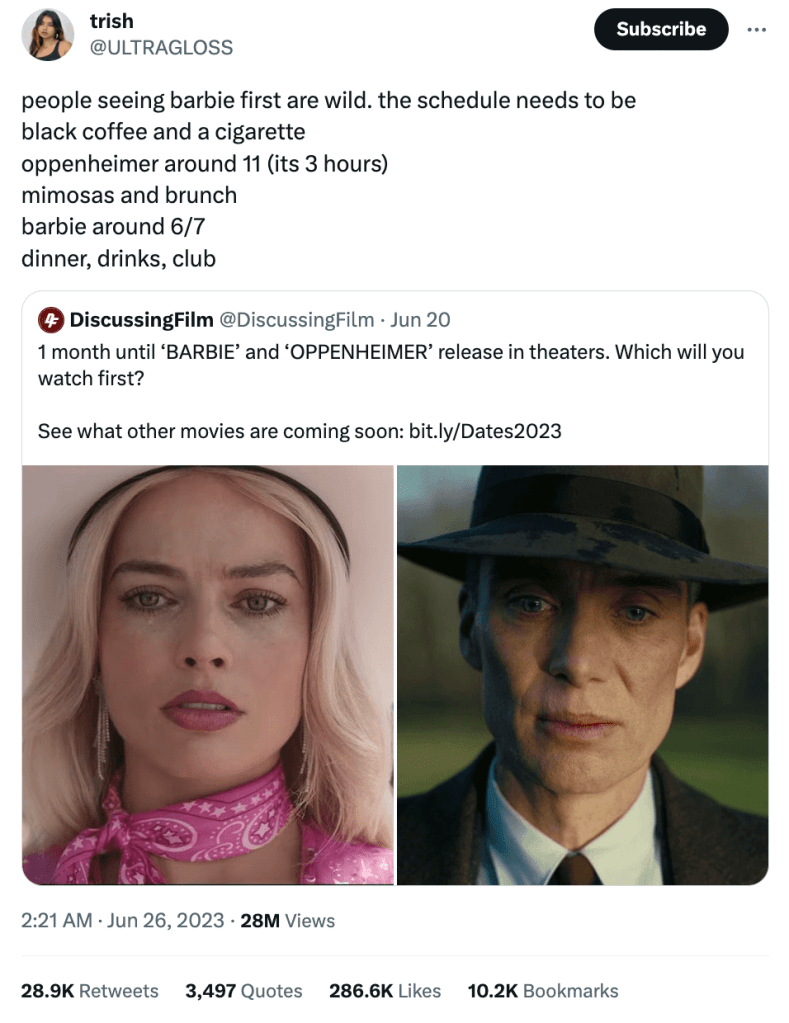
Social media then acted as a distribution channel for this momentum. What began as a simple juxtaposition quickly evolved into a viral marketing engine. Audiences created content, debated viewing order, and turned the release into an experience. As explored in this BBC article, this reflects a broader shift in entertainment marketing, where audiences don’t just consume campaigns, they actively participate in and extend them.
I experienced this firsthand. When my friend and I planned to see both films back-to-back, it wasn’t just about watching movies, it was about engaging with the marketing moment itself. We dressed according to each film’s aesthetic, moving from the muted tones of Oppenheimer to the vibrant, playful world of Barbie. What stood out most was how many others were doing the same, reinforcing how deeply the marketing had embedded itself into the audience experience.
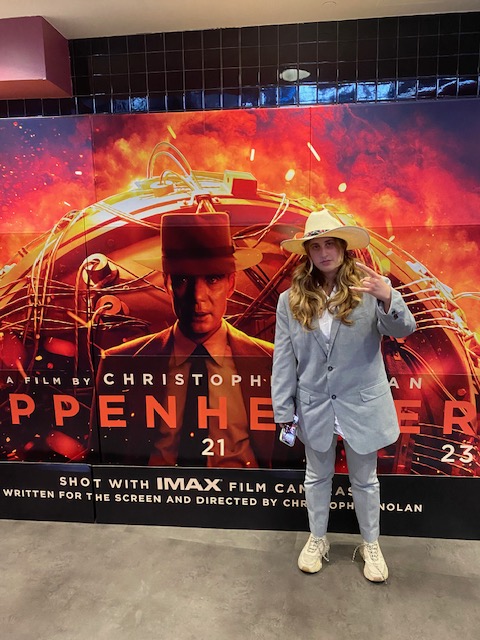

This level of participation highlights a key shift in strategy: marketing is no longer just about promotion, it’s about creating moments that audiences want to be part of. Barbenheimer succeeded because it blurred the line between campaign and culture.
Importantly, much of this success was organic. While Barbie executed one of the most extensive brand campaigns in recent years, and Oppenheimer relied on traditional prestige marketing, neither studio directly controlled the Barbenheimer narrative. As emphasized in this Empire analysis, the phenomenon demonstrates that strong creative positioning, combined with audience amplification, can outperform even the most carefully planned campaigns.

From a strategic perspective, Barbenheimer also challenges traditional segmentation. Entertainment marketing has long operated under the assumption that audiences are distinct and should be targeted separately. However, this phenomenon showed that audiences are fluid. By creating two highly differentiated yet culturally connected campaigns, studios were able to expand the overall market rather than compete for the same share.
Ultimately, Barbenheimer represents a shift toward a more dynamic, audience-led approach to entertainment marketing. It highlights the importance of cultural timing, distinct brand positioning, and the power of organic engagement. For marketers, especially in film and media, it offers a valuable lesson: success is no longer just about controlling the message, but about creating something audiences want to carry forward themselves.

In an era where attention is fragmented and content is constant, Barbenheimer proved that the most effective marketing doesn’t just promote, it resonates, engages, and becomes part of culture.
If you enjoyed this breakdown, check out my previous post on how Netflix marketed Stranger Things for another example of entertainment marketing done right.
References
Variety. (2023). Barbenheimer lessons: What Barbie and Oppenheimer teach Hollywood. Retrieved from
https://variety.com/2023/film/columns/barbenheimer-lessons-barbie-oppenheimer-greta-gerwig-christopher-nolan-1235677801/
BBC Culture. (2023). What does Barbenheimer really mean for Hollywood? Retrieved from
https://www.bbc.com/culture/article/20230720-what-does-barbenheimer-really-mean-for-hollywood
Empire. (2023). How Barbenheimer ruled the box office. Retrieved from
https://www.empireonline.com/movies/features/how-barbenheimer-ruled-the-box-office/
 Reel Marketing
Leave a comment